13 Fun Easy Things to Paint for Beginners
I used to stare at blank canvases and freeze. Then I started painting tiny, obvious things and learned faster.
I ruined a few canvases by overblending. I kept the ones that taught me something useful.
These are simple subjects and moves you can actually practice tonight.
13 Fun Easy Things to Paint for Beginners
These 13 simple painting ideas are low-pressure and practical. I picked things that taught me technique, not just pretty thumbnails. You'll get clear starts, small wins, and real skills you can use again.
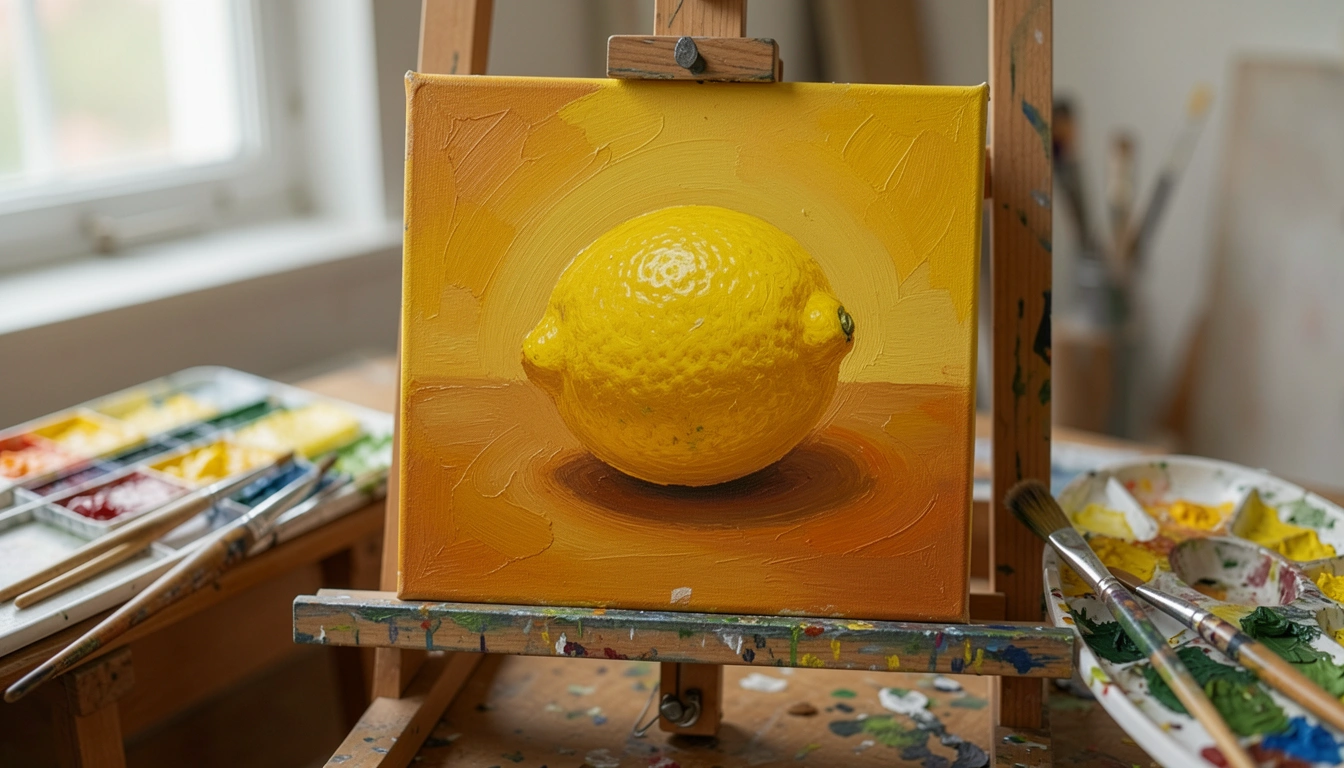
1. Single Fruit Still Life (Apple or Lemon)
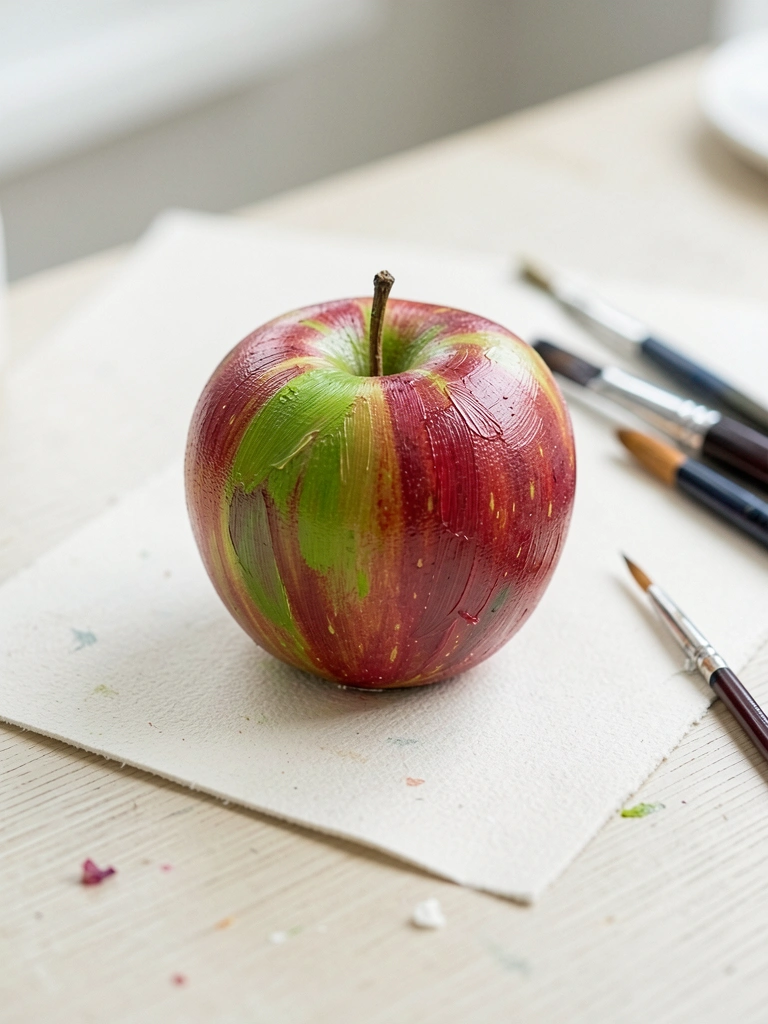
I started with an apple because it forces color and value decisions without complex edges. I block in the basic shape, then squint to find the midtones and highlights.
I used to add too much black to the shadow and got muddy greens under the highlight. Learning to mix a shadow from the base color fixed that.
Keep brushwork loose on the first pass. Let the paint dry a bit before refining the edge.
What You'll Need for This
- Small canvas or heavyweight paper
- Round and small detail brush
- Acrylic or gouache paint
- Palette and rag
2. Simple Horizon Sky Gradient
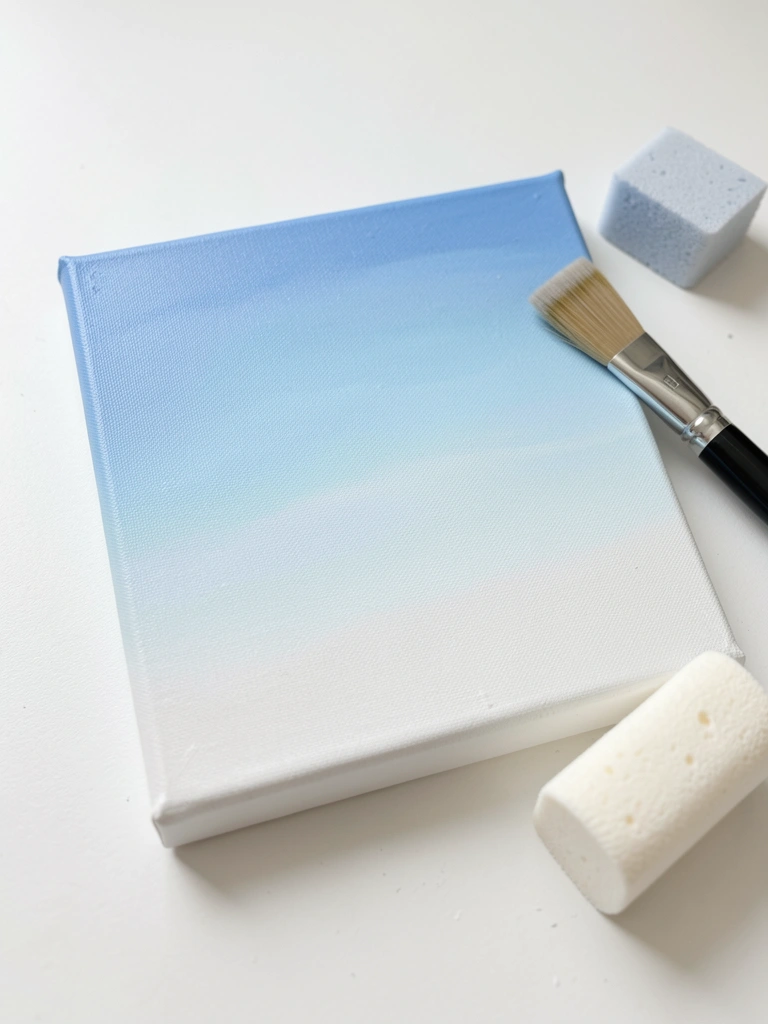
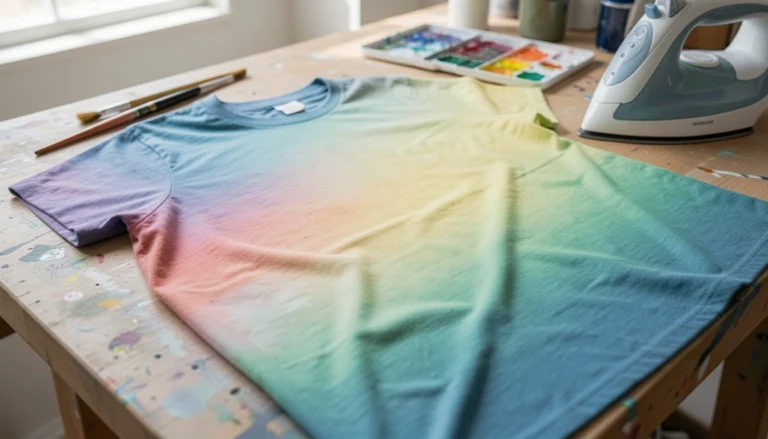
I practice gradients to learn wet-on-wet blending. I wipe the brush less and push transitions with a soft, loaded flat brush.
My early skies looked streaky. I fixed that by keeping strokes parallel and not scrubbing the paint. Short, overlapping passes helped.
Watch the paint edge—if one area dries too fast, mist it lightly. That saved me from hard bands.
What You'll Need for This
- Wide flat brush
- Acrylic or watercolor paper (for wet-on-wet)
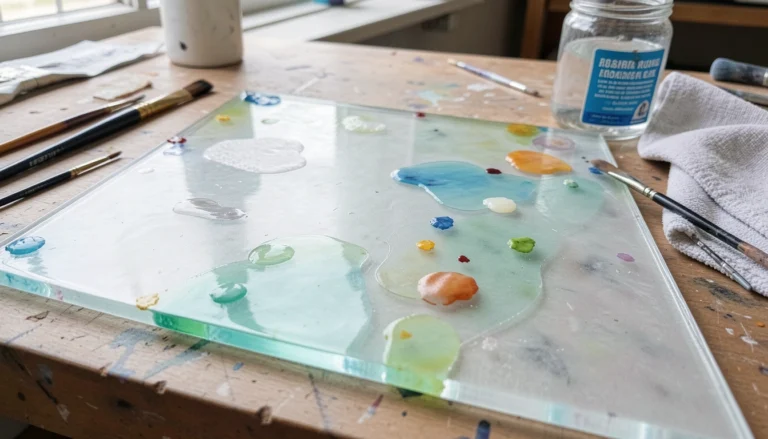
- Broad palette area for diluting paint
- Spray bottle (optional)
3. Simple Silhouette Landscape at Sunset
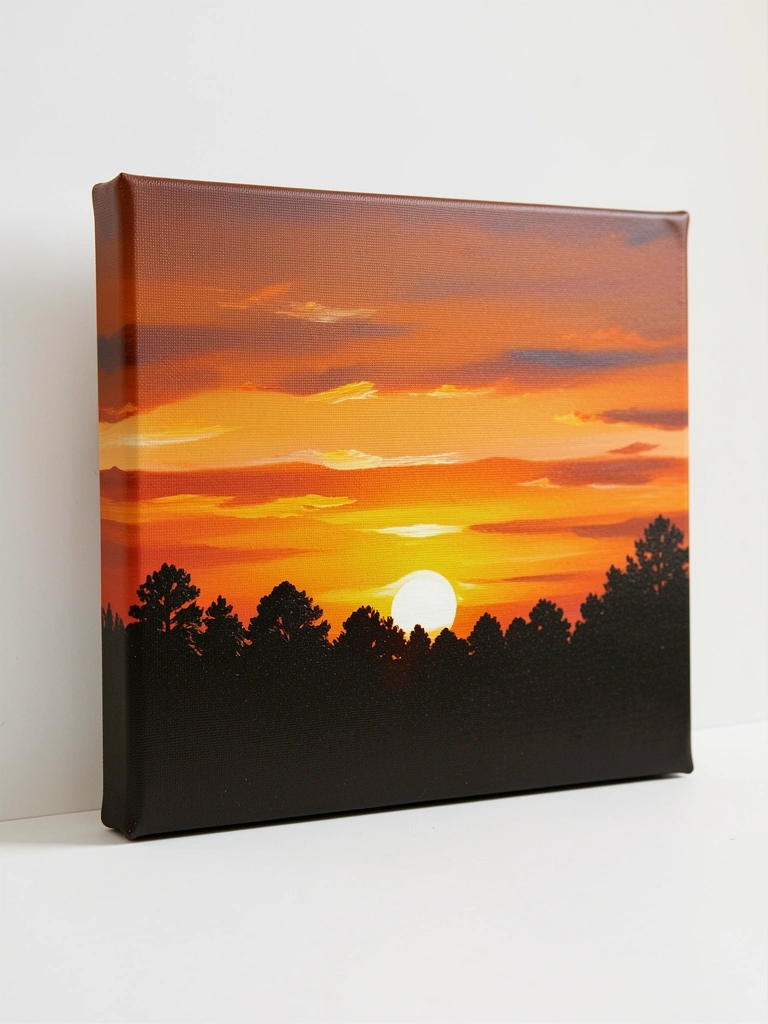
Silhouettes teach me composition and negative space quickly. I paint a warm gradient sky first, then lay a dark shape for trees or hills.
I once tried to paint detailed trees right away and ended up with muddy foregrounds. Keeping silhouettes flat fixed that—details can wait.
Decide your horizon line early. It controls the whole mood.
What You'll Need for This
- Canvas or paper
- Flat brush for sky, small brush for silhouette
- Acrylics or gouache
- Palette knife (optional for scraping)
4. Blocky Abstract Color Studies
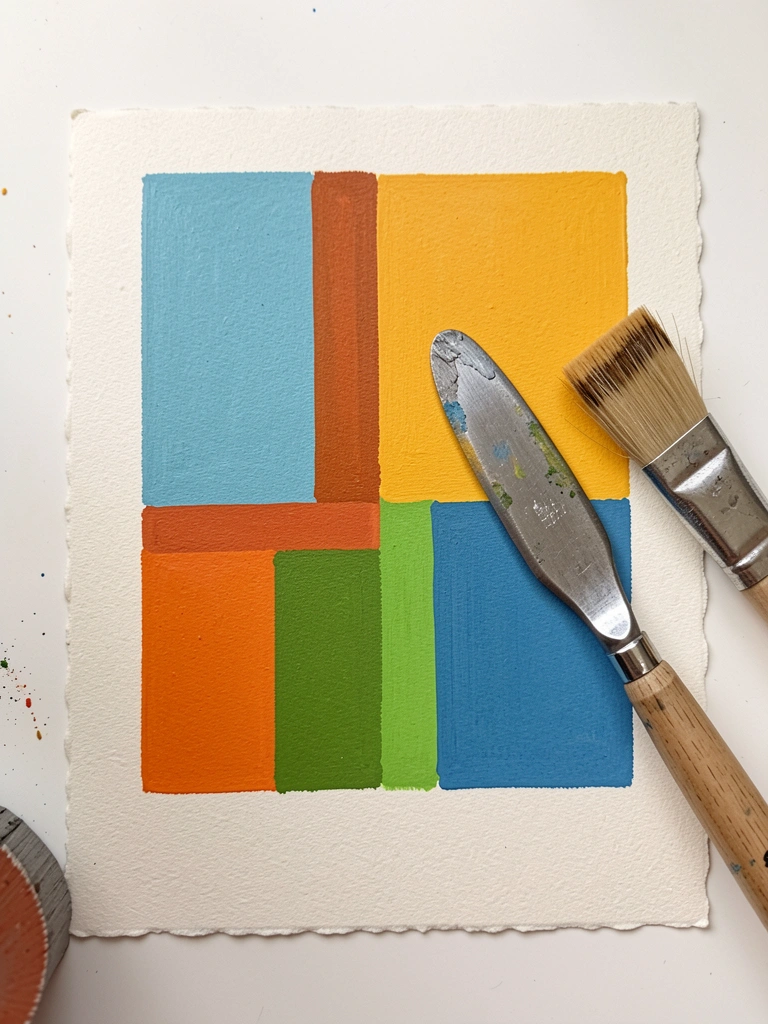
I use color blocks to practice harmony and value without drawing. I lay down three or four rectangles and adjust until they read balanced.
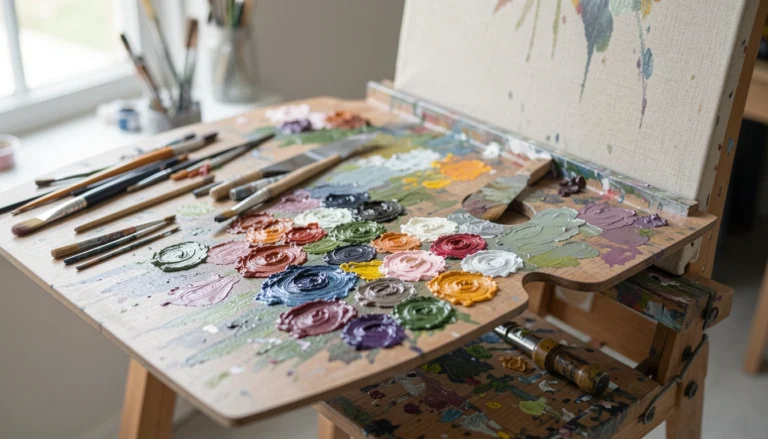
I used to overmix colors and lose vibrancy. Now I mix minimal amounts, keeping a few pure swatches on the palette.
This exercise saved me from chasing details before I got the color right.
What You'll Need for This
- Heavy paper or small panel
- Flat brushes and palette knife
- Acrylics or gouache
- Ruler or masking tape
5. Loose Floral Stems (One Brush)
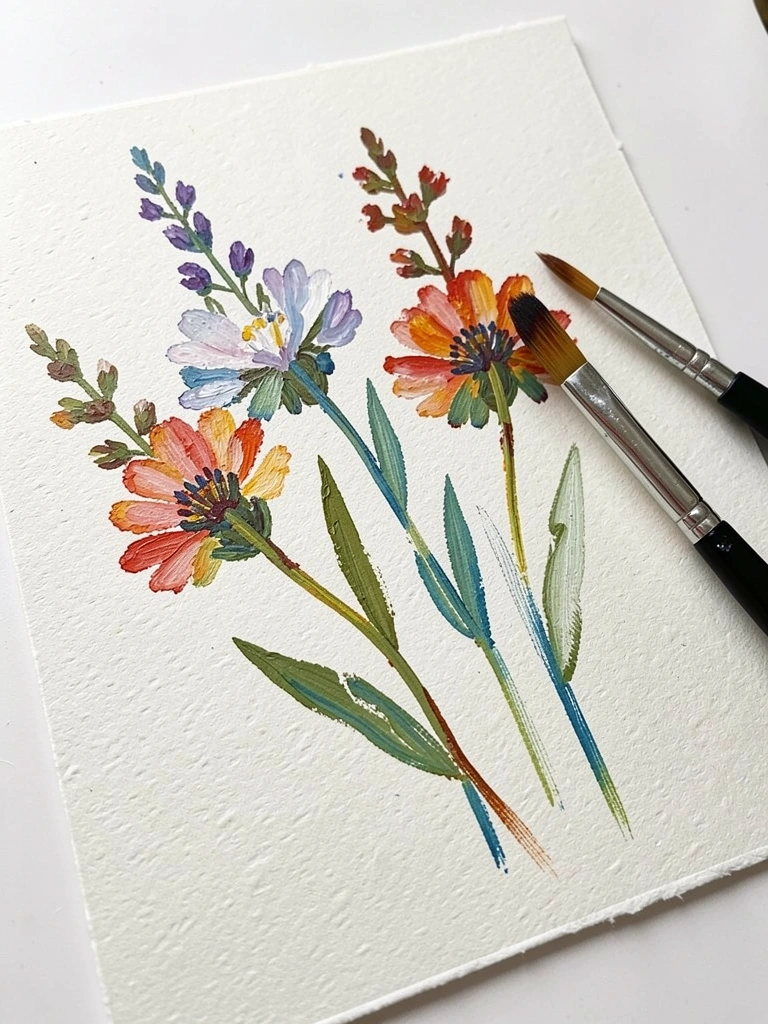
I learned restraint with single-brush florals. You only need a loaded round brush and a few confident strokes for stems and petals.
Early attempts had muddy petals from too many color changes on the brush. I started rinsing between major color shifts and it helped immediately.
Aim for suggestion rather than petals-for-every-petal. It looks natural and saves time.
What You'll Need for This
- Heavy watercolor or mixed-media paper
- One good round brush (size 6–10)
- Acrylic or gouache
- Water jar and cloth
6. Textured Palette Knife Sky or Ocean
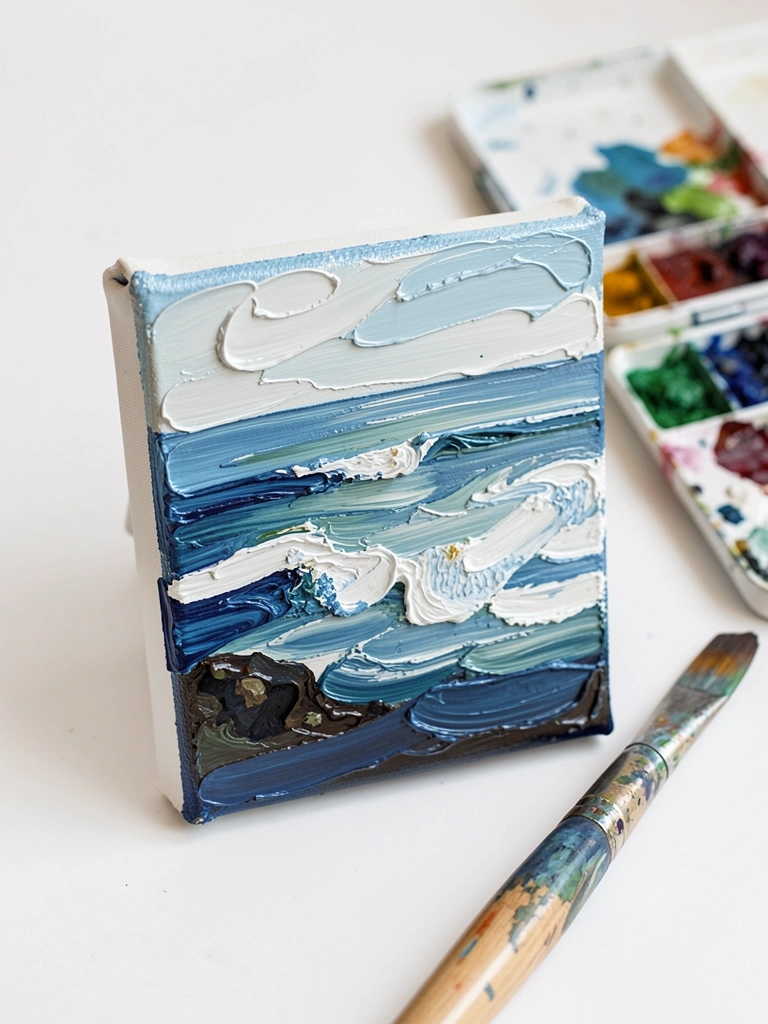
I used a palette knife to build texture when brushes blurred everything. The knife makes ridges that read as waves or clouds without fuss.
The first time I overworked a knife layer and tore the canvas with stiff pressure. I learned to scrape gently and layer thinly.
This is forgiving—if a ridge is too strong, scrape it back and repaint.
What You'll Need for This
- Canvas or wood panel
- Palette knife(s)
- Heavy-body acrylic or oil paint
- Stiff palette for mixing
7. Simple Leaf Studies (Repeated)
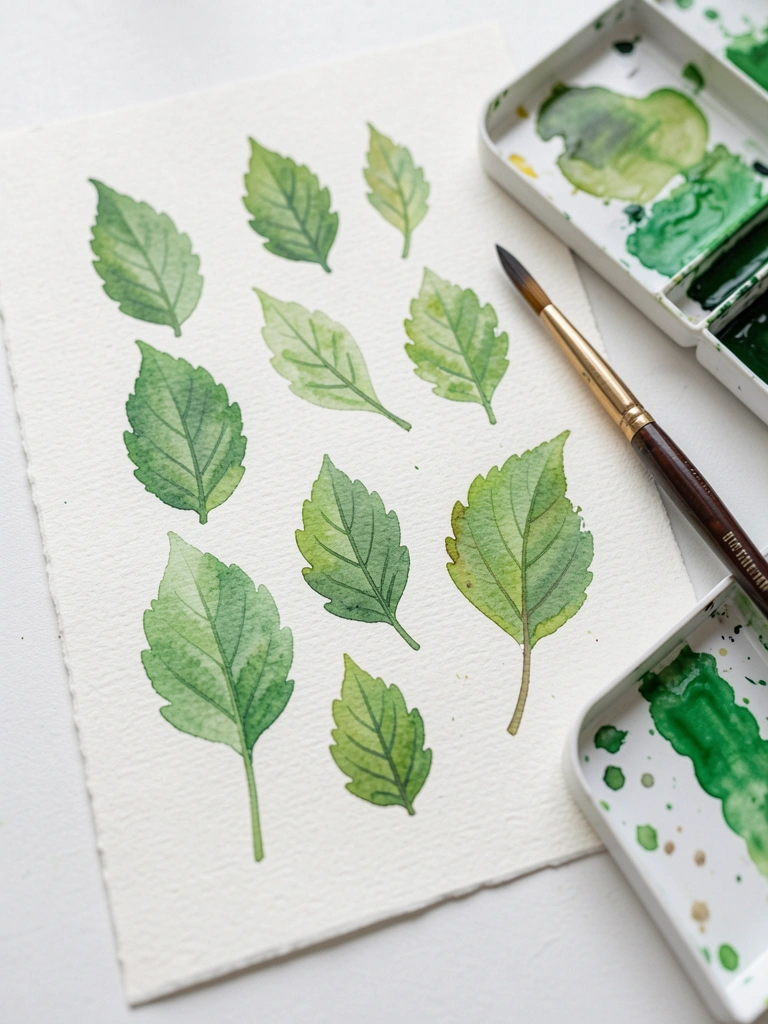
Painting a single leaf over and over taught me edges and veins. I paint a base green, then pull a lighter vein with a clean brush.
Once I used pure black under a dark leaf and the color flattened. Mixing a deep green instead kept richness.
Do several small studies instead of one big perfect leaf. Repetition builds confidence.
What You'll Need for This
- Watercolor or mixed-media paper
- Round and liner brush
- Acrylic, gouache, or watercolor
- Palette and scrap paper for tests
8. Coffee Mug and Shadow Practice
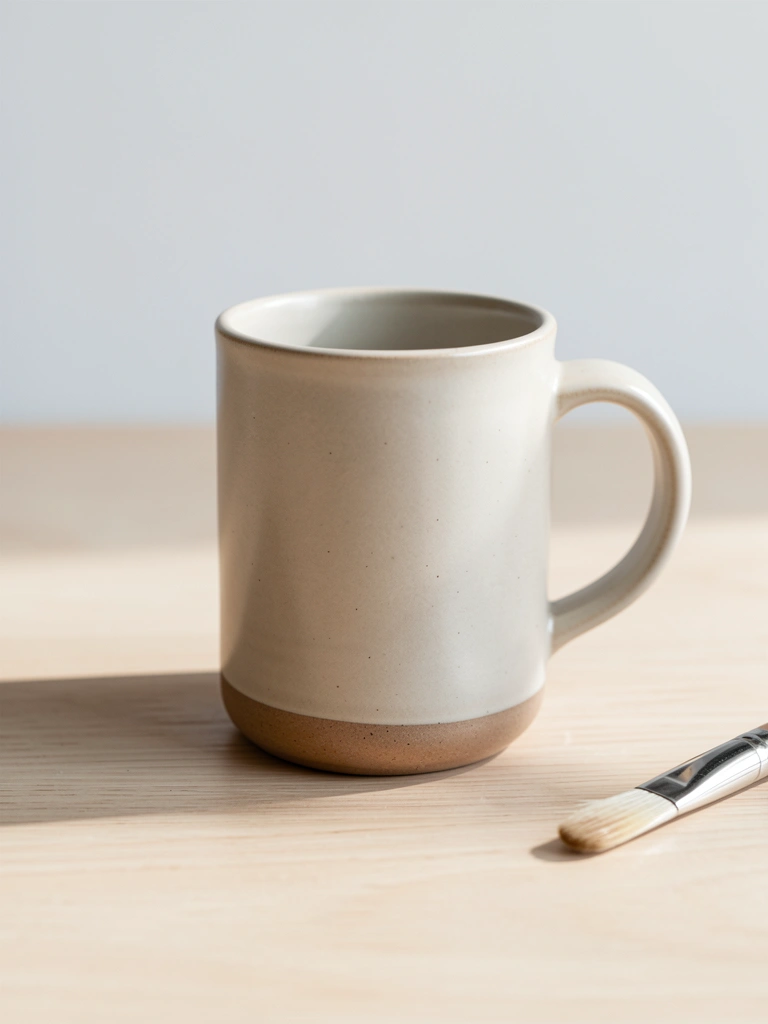
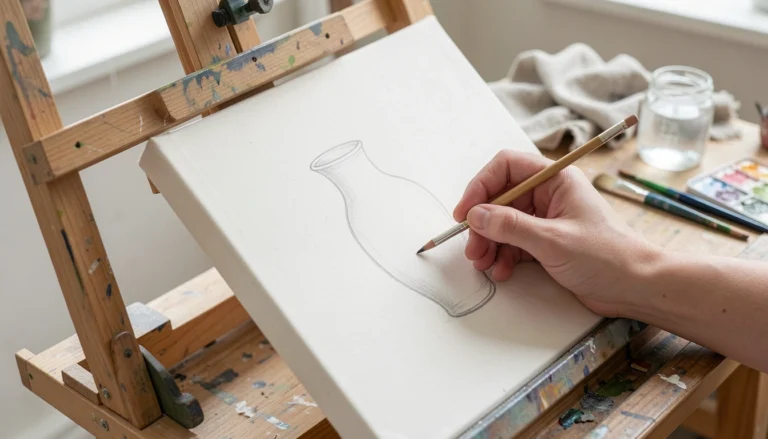
A plain mug teaches form and shadow without tricky detail. I sketch the ellipse, paint base color, then focus on core shadow and reflected light.
I used to drag a dry brush into wet paint, which streaked the highlight. Now I let the paint settle then lift gently with a damp rag.
Pay attention to the shadow edge; a hard edge near the mug and softer edge further away reads believable.
What You'll Need for This
- Small canvas or paper
- Round and flat brush
- Acrylics or gouache
- Rag or paper towel
9. Night Sky with Simple Stars (Splatter Technique)
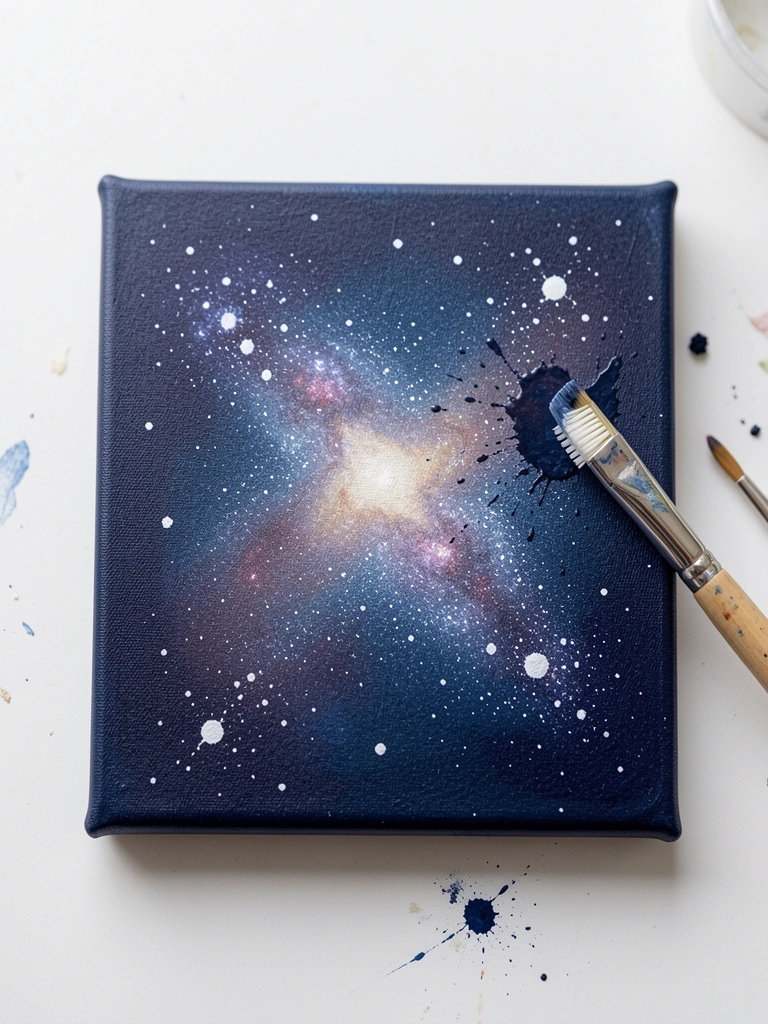
I painted galaxies by layering dark blues and dabbing lighter purples, then flicking tiny stars. It taught me control over randomness.
My first splatter session went too heavy and looked dirty. I practiced on scrap paper to calibrate pressure before the good canvas.
Work in layers. Stars over a slightly dried sky read crisp.
What You'll Need for This
- Canvas or thick paper
- Small flat brush and toothbrush or stiff brush for splatter
- Acrylic paint (white and darks)
- Palette and scrap paper
10. Simple Animal Silhouette (Cat or Bird)
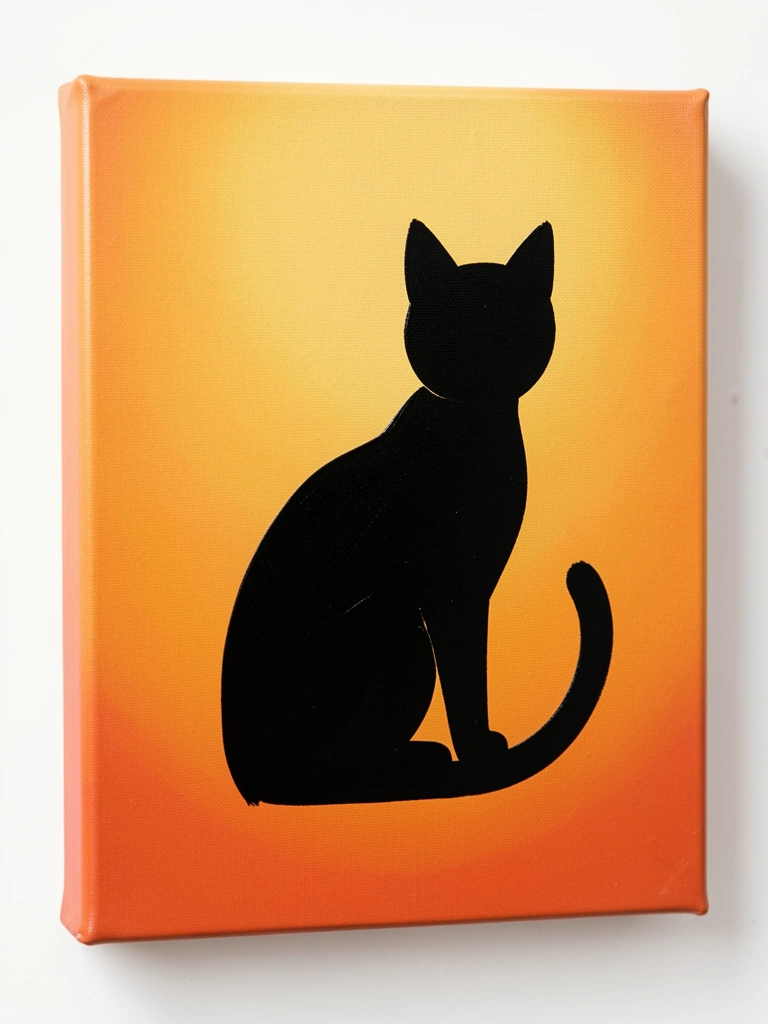
I painted animal silhouettes to practice clean edges and gesture. Block the shape, then refine only where the eye needs detail—ears, tail line.
I once tried to add fur texture and lost the clean shape. The silhouette read better without it, so I learned restraint.
Silhouettes are forgiving and fast; do several poses to learn proportion.
What You'll Need for This
- Canvas or paper
- Small round or angle brush
- Acrylic paint (dark color and background colors)
- Pencil for quick sketch
11. Easy Reflection on Water (Simple Shapes)
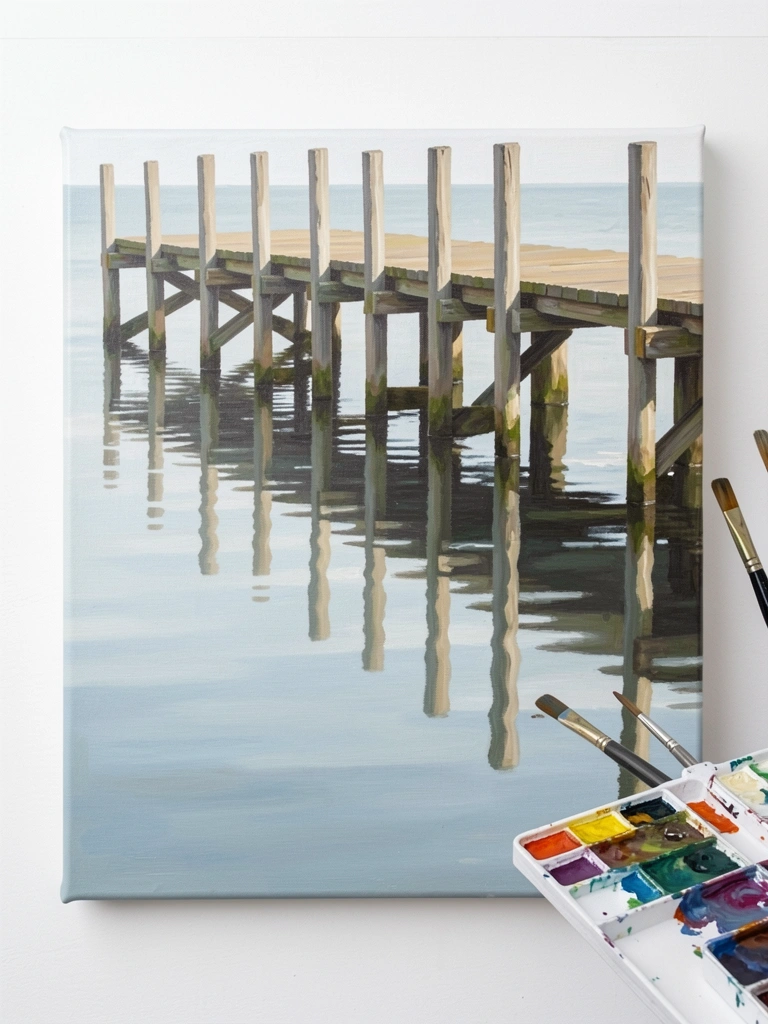
Reflections taught me vertical rhythm. I paint the subject, then pull vertical strokes in diluted color below it for the reflection.
I used to try to be too precise and ended with hard, fake lines. A soft edge and a little horizontal ripple made it believable.
Keep the reflection slightly darker and less detailed than the object.
What You'll Need for This
- Canvas or paper
- Flat brush for reflections, round for details
- Acrylics or gouache
- Soft cloth for blending
12. Geometric Pattern Practice (Tiles or Stripes)
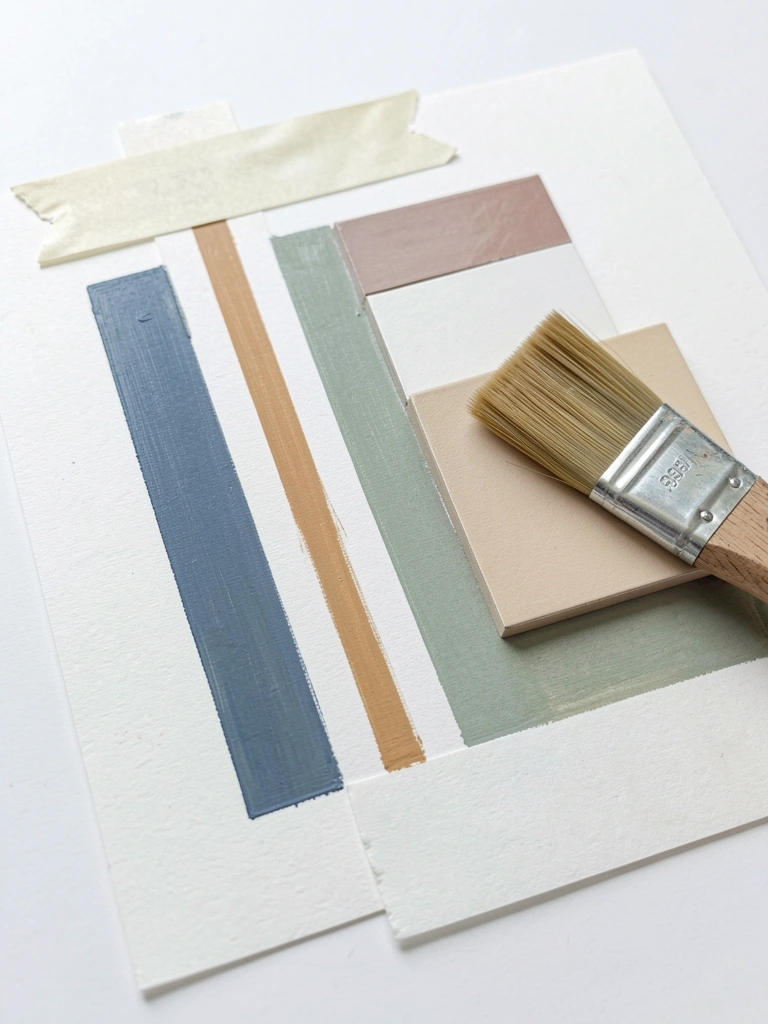
I used tape to block off stripes and tiles to practice clean edges and color balance. It taught me patience with masking and layering.
My first taped edges bled because the paint was too wet. Waiting until the underlayer was dry fixed that, and edges snapped clean.
This is a quiet, meditative exercise that builds control.
What You'll Need for This
- Heavy paper or panel
- Masking tape
- Flat brushes
- Acrylic or gouache
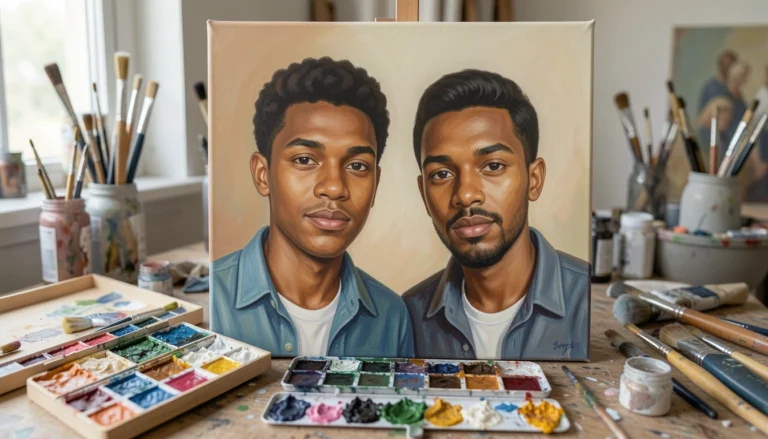
13. Simple Value Portrait Study (Three-Tone Block-In)
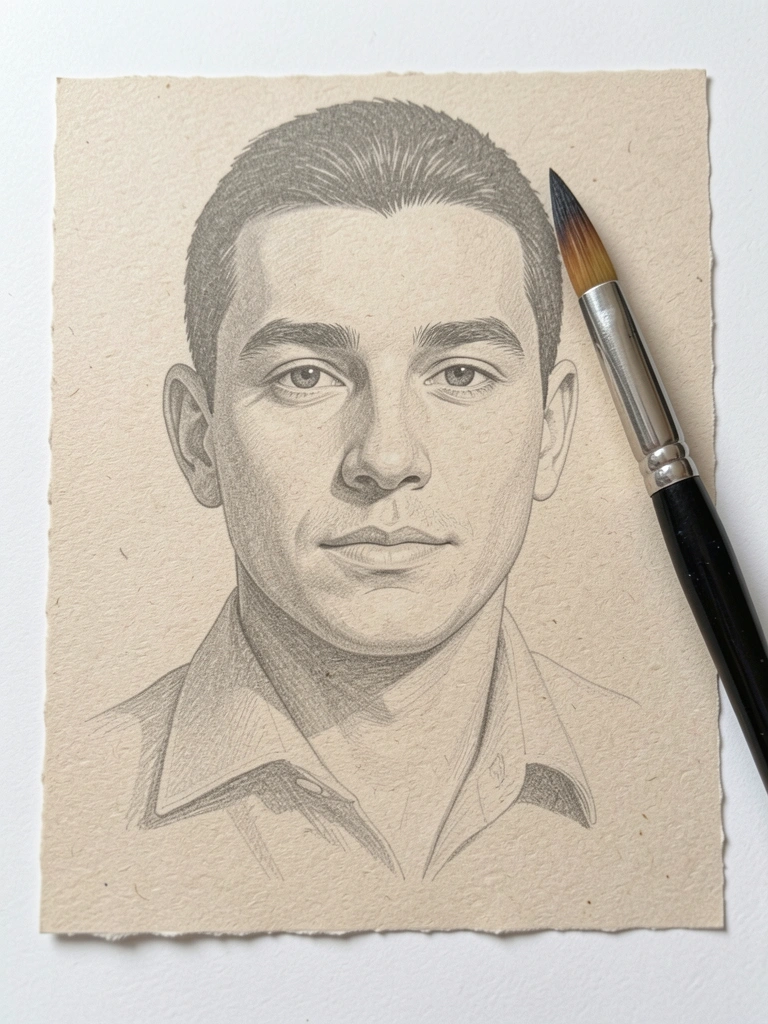
I do three-value portraits to simplify faces. I block in light, mid, and dark with a mid-sized brush; no hair, no small details—just planes.
I once chased likeness with tiny lines and lost the structure. Sticking to value first made everything fall into place.
Use a toned support; it gives you a mid and saves time.
What You'll Need for This
- Toned paper or toned canvas
- Mid-sized filbert or flat brush
- Acrylic or gouache in three values
- Reference photo
Final Thoughts
Start small and repeat. I learned fastest when I painted the same idea three times, each with a tiny change.
You don't need fancy supplies. Use what you have and keep one canvas for experiments.
Trust the process. Each small study will make the next one easier.